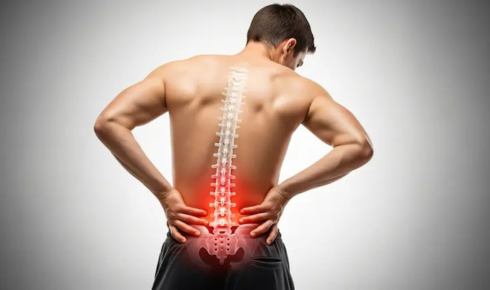
Most information about sciatica focuses on what it is and what treatment involves. Far less attention is paid to what it is actually like to live with sciatic nerve pain day to day – and what practical choices, beyond formal treatment sessions, make the difference between a recovery that stalls and one that genuinely progresses.
Sciatica is not simply a medical condition that professionals treat while the patient waits for results. It responds to how you sit, move, sleep, and approach physical activity between treatment appointments. Understanding the daily management dimension of sciatica – alongside the right professional Sciatica Treatment – is what separates the people who recover well from those who plateau.
Why Sciatica Is So Sensitive to Daily Habits
The sciatic nerve is the longest nerve in the body, running from the lower lumbar spine through the buttock and down each leg to the foot. Its length and its path through multiple muscular and anatomical structures mean that it is sensitive to compression and irritation at multiple points along its course.
When the nerve is already irritated – from a herniated disc, spinal stenosis, or piriformis muscle tension – certain postures and activities predictably aggravate it while others provide relief or at least avoid making things worse. Learning this pattern for your specific presentation, and adjusting your daily life accordingly, is not a substitute for treatment but an essential complement to it.
It is also the aspect of sciatica recovery that patients have the most direct control over.
The Sitting Problem: Why It Matters More Than Most People Realise
For most people with lumbar-disc-related sciatica, sitting is one of the most consistently aggravating activities. Extended sitting increases intradiscal pressure in the lumbar spine, maintains the hip flexors in a shortened position that pulls on the lumbar spine, and places the sciatic nerve under sustained tension.
This doesn’t mean avoiding sitting entirely – that’s not practical for most people’s working lives. It means managing it intelligently:
Break sitting into segments of thirty to forty-five minutes maximum, standing and moving briefly before returning. This interrupts the progressive increase in disc pressure that sustained sitting creates. Choose seating that supports the natural lumbar curve rather than allowing the pelvis to tilt backward and the lumbar spine to flatten. Avoid deep, soft sofas that create sustained hip flexion and posterior pelvic tilt – both of which maintain the disc in a loading position that aggravates nerve compression. When sitting, avoid crossing the legs, which can tension the piriformis muscle and secondarily irritate the sciatic nerve.
Movement That Helps vs Movement That Aggravates
A common misconception about sciatica is that rest is always beneficial. For acute, severe sciatica involving significant neurological symptoms, a brief period of relative rest may be appropriate. But for most presentations, and certainly for ongoing recovery, appropriate movement is therapeutic while prolonged rest is counterproductive.
Movement that typically helps:
- Gentle walking on flat surfaces at a comfortable pace, which maintains lumbar mobility and sciatic nerve movement without excessive disc loading
- Swimming or water-based exercise, which provides the benefits of movement with minimal spinal compression
- Lying prone (face down) gently, which reduces intradiscal pressure and can allow the posterior disc bulge that is compressing the nerve to partially reduce
- Carefully selected stretching, particularly gentle hip flexor and piriformis stretches, supervised by a treating practitioner
Movement that typically aggravates during recovery:
- Sustained forward bending from the waist, which increases posterior disc pressure and can worsen nerve compression
- Heavy lifting, particularly with a rounded spine, which creates high intradiscal pressure that can extend a herniation
- High-impact activity including running and jumping, which creates repetitive compressive loading on an already irritated disc and nerve
- Sudden movements without preparation, which can trigger acute flare-ups by catching the sensitised nerve off guard
Sleep Positioning for Sciatic Nerve Recovery
How you sleep has a genuine impact on sciatic nerve recovery. The goal is to minimise the positions that maintain the lumbar disc under pressure or the sciatic nerve under tension during the hours when your body has the best opportunity to heal.
Side sleeping with a pillow between the knees is typically the most comfortable position for sciatic nerve recovery. The pillow prevents the upper leg from falling across the body, which would rotate the lumbar spine and create asymmetric disc loading. Side sleeping on the non-painful side is generally preferable.
Back sleeping with a pillow under the knees reduces lumbar extension and decreases the stretch on the sciatic nerve and lumbar nerve roots. This position distributes disc loading evenly and is often well tolerated.
Stomach sleeping is generally best avoided during sciatic recovery. It extends the lumbar spine, increases intradiscal pressure at the posterior margins where most herniations occur, and places the neck in sustained rotation – compounding problems rather than resolving them.
What Professional Sciatica Treatment Achieves That Self-Management Cannot
Daily self-management strategies reduce the aggravating loads on the compressed nerve and create better conditions for recovery. But they do not address the structural cause of the compression itself.
Non-Surgical Spinal Decompression Therapy specifically targets the disc herniation or stenotic narrowing that is pressing on the nerve root. Computer-guided traction creates a precise reduction in intradiscal pressure that allows herniated disc material to retract, reduces the inflammatory mediators around the compressed nerve, and improves the circulation to the recovering neural tissue. This is the mechanical intervention that addresses the source rather than the symptoms.
Targeted physiotherapy rehabilitates the lumbar stabilising muscles, improves the mobility of the sciatic nerve through neural mobilisation techniques, and rebuilds the physical resilience that prevents recurrence.
ANSSI Wellness offers personalised Sciatica Treatment built around each patient’s specific nerve compression level, symptom pattern, and lifestyle. The programme integrates professional decompression and rehabilitation with practical daily guidance to maximise recovery at every level.
Tracking Your Recovery: What Progress Actually Looks Like
Sciatica recovery is rarely a smooth linear improvement. Many patients experience weeks of steady progress followed by a flare-up that temporarily restores previous symptoms. Understanding this is important for maintaining the consistency and confidence that good recovery requires.
Useful markers of genuine progress include: the leg pain reducing in its distribution (retreating proximally – from the foot toward the thigh), the frequency of flare-ups decreasing even if individual episodes still feel significant, the walking tolerance increasing, and the ability to sit for longer without symptom onset.
Worsening neurological symptoms – progressive weakness, worsening numbness, or any changes in bladder or bowel function – warrant prompt medical evaluation rather than continued conservative management.
Conclusion
Sciatica recovery is a partnership between professional treatment and informed daily choices. The structural intervention of non-surgical decompression and rehabilitation addresses the nerve compression itself. The daily habits – sitting patterns, sleep positioning, activity choices, movement frequency – create the environment in which that recovery can happen as quickly and completely as possible. Both dimensions matter. Together, they are consistently more effective than either alone.