

Internal Hemorrhoid Treatment: Effective Solutions for 2025
Internal hemorrhoids affect millions of adults worldwide, yet many people are unsure about the best ways to manage them. Understanding internal hemorrhoid treatment is essential for alleviating discomfort, preventing complications, and improving quality of life. Internal hemorrhoids form inside the rectum and often go unnoticed until bleeding, prolapse, or discomfort occurs. In this guide, we’ll explore causes, symptoms, treatment options, and prevention strategies, with expert insights from Hemroid Center in Scottsdale, Arizona.
What Are Internal Hemorrhoids?
Internal hemorrhoids are swollen veins located inside the rectum. Unlike external hemorrhoids, they are usually painless but can lead to:
- Rectal bleeding during bowel movements
- A feeling of incomplete evacuation
- Prolapse, where hemorrhoids extend outside the anus
- Discomfort or irritation in severe cases
Identifying internal hemorrhoids early allows for effective intervention, minimizing the risk of complications.
Causes of Internal Hemorrhoids
Several factors contribute to the development of internal hemorrhoids:
- Chronic Constipation or Straining – The most common cause, putting pressure on rectal veins.
- Pregnancy – Hormonal changes and increased pelvic pressure can trigger hemorrhoids.
- Obesity – Extra weight exerts pressure on veins in the rectal area.
- Prolonged Sitting – Sedentary lifestyle slows circulation, increasing vein swelling.
- Diet Low in Fiber – Hard stools cause straining, leading to vein inflammation.
Addressing these factors can help prevent hemorrhoid formation and reduce recurrence.
Symptoms of Internal Hemorrhoids
Early recognition of symptoms enables timely treatment. Signs include:
- Bright red blood on toilet paper or in the toilet bowl
- Itching or irritation in the anal area
- Protruding tissue (prolapsed hemorrhoid)
- Mucus discharge
- Sensation of pressure or fullness in the rectum
Persistent or severe symptoms should be evaluated by a specialist to rule out other conditions.
Home-Based Internal Hemorrhoid Treatment
Mild internal hemorrhoids can often be managed with home care strategies:
Dietary and Lifestyle Adjustments
- High-Fiber Diet: Fruits, vegetables, and whole grains soften stools.
- Hydration: Adequate water intake reduces straining.
- Exercise: Regular movement improves circulation and bowel regularity.
Home Remedies
- Sitz Baths: Warm water soaks for 10–15 minutes relieve discomfort.
- Topical Treatments: Creams or suppositories can reduce swelling and irritation.
- Cold Compresses: Help reduce inflammation in prolapsed hemorrhoids.
These strategies can alleviate symptoms, but persistent hemorrhoids often require professional care.
Professional Internal Hemorrhoid Treatment Options
Specialized clinics like Hemroid Center provide advanced treatments tailored to the severity of the condition.
Minimally Invasive Procedures
- Rubber Band Ligation: A small band is applied to the base of the hemorrhoid, cutting off blood supply, causing it to shrink.
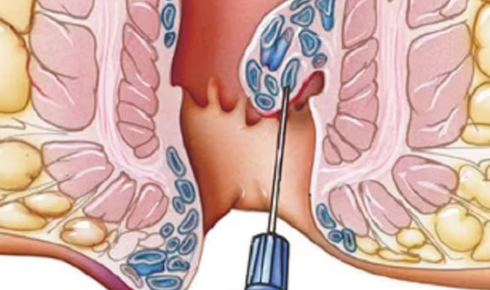
- Sclerotherapy: Injection of a solution to reduce swelling and shrink the hemorrhoid.
- Infrared Coagulation: Heat-based treatment that reduces hemorrhoid size and prevents recurrence.
Surgical Interventions
For severe internal hemorrhoids, surgery may be recommended:
- Hemorrhoidectomy: Complete removal of large or persistent hemorrhoids.
- Stapled Hemorrhoidopexy: Repositions prolapsed hemorrhoids and cuts off blood supply, reducing prolapse.
A specialist will determine the best approach based on hemorrhoid grade, symptoms, and overall health.
Prevention Strategies for Internal Hemorrhoids
Preventing internal hemorrhoids is often easier than treating them. Effective strategies include:
- Increase Fiber Intake: Softens stools and reduces straining.
- Stay Hydrated: Prevents constipation and aids smooth bowel movements.
- Exercise Regularly: Improves circulation and overall digestive health.
- Avoid Prolonged Sitting: Stand or walk every hour to reduce pressure on rectal veins.
- Practice Healthy Bowel Habits: Go when you feel the urge; avoid straining.
Adopting these habits can significantly reduce the risk of recurrence and promote digestive wellness.
When to Seek Specialized Care
While mild internal hemorrhoids may respond to home remedies, professional evaluation is essential if you experience:
- Significant or persistent rectal bleeding
- Severe pain or discomfort
- Prolapsed hemorrhoids that do not retract
- Recurring hemorrhoids despite preventive measures
Visiting a specialized center like Hemroid Center in Scottsdale, Arizona ensures timely diagnosis and access to advanced treatment options.
Benefits of Visiting a Hemorrhoid Specialist
Choosing a dedicated hemorrhoid center offers several advantages:
- Expertise: Physicians focus exclusively on hemorrhoid and anal disorders.
- Advanced Treatment Options: Access to minimally invasive and surgical solutions.
- Personalized Care: Treatment plans tailored to your condition and lifestyle.
- Patient Education: Guidance on prevention and long-term management.
Specialized care ensures faster recovery, effective symptom relief, and long-term outcomes.
Common Myths About Internal Hemorrhoid Treatment
Misconceptions can delay effective care. Let’s clarify:
- Myth: Hemorrhoids always require surgery.
Fact: Most internal hemorrhoids can be treated with minimally invasive procedures or lifestyle adjustments. - Myth: Only older adults get hemorrhoids.
Fact: Hemorrhoids can occur at any age, especially with poor diet or chronic straining. - Myth: Home remedies are ineffective.
Fact: Mild internal hemorrhoids often respond well to fiber, hydration, and topical treatments.
Understanding the facts empowers patients to seek timely care and avoid complications.
Key Takeaways on Internal Hemorrhoid Treatment
- Internal hemorrhoids are swollen veins inside the rectum that may cause bleeding, prolapse, or discomfort.
- Causes include constipation, pregnancy, obesity, and prolonged sitting.
- Mild cases can be managed with diet, hydration, and home care.
- Minimally invasive procedures and surgery are available for severe or persistent hemorrhoids.
- Preventive strategies and specialized care reduce recurrence and improve quality of life.
Take Action Today
Understanding internal hemorrhoid treatment equips you to take control of your health. Don’t wait until symptoms worsen. Schedule a consultation at Hemroid Center in Scottsdale, Arizona, to receive expert care and personalized treatment. Early intervention ensures faster relief, minimal discomfort, and long-term results.